Chemistry: Paper 2
Unit 1: Macroscopic Properties
Properties of materials:
- Strength
- Thermal and electrical conductivity
- Brittle, malleable, and ductile
- Magnetic or non-magnetic
- Density
- Melting points and boiling points
Classification of substances:
- What products are made of: atoms or molecules
- Elements or compounds
- Pure substances (element or compound) vs mixtures
- Mixtures: homogeneous or heterogeneous
Names of formulae and substances:
- Learn cation and anion tables
- Includes polyatomic ions (e.g. sulfate SO₄²⁻, nitrite NO₂⁻, hydroxide OH⁻, phosphate PO₄³⁻)
- Common household/traditional names (e.g. H₂O: water, HCl: hydrochloric acid, NH₃: ammonia, CO₂: carbon dioxide, H₂SO₄: sulfuric acid)
- Understanding scientific language for naming compounds (e.g. oxide)
Classification of metals, metalloids, and non-metals:
- Learn the properties of each
- Metalloids (semi-metals): understand their applications
KZN November 2023
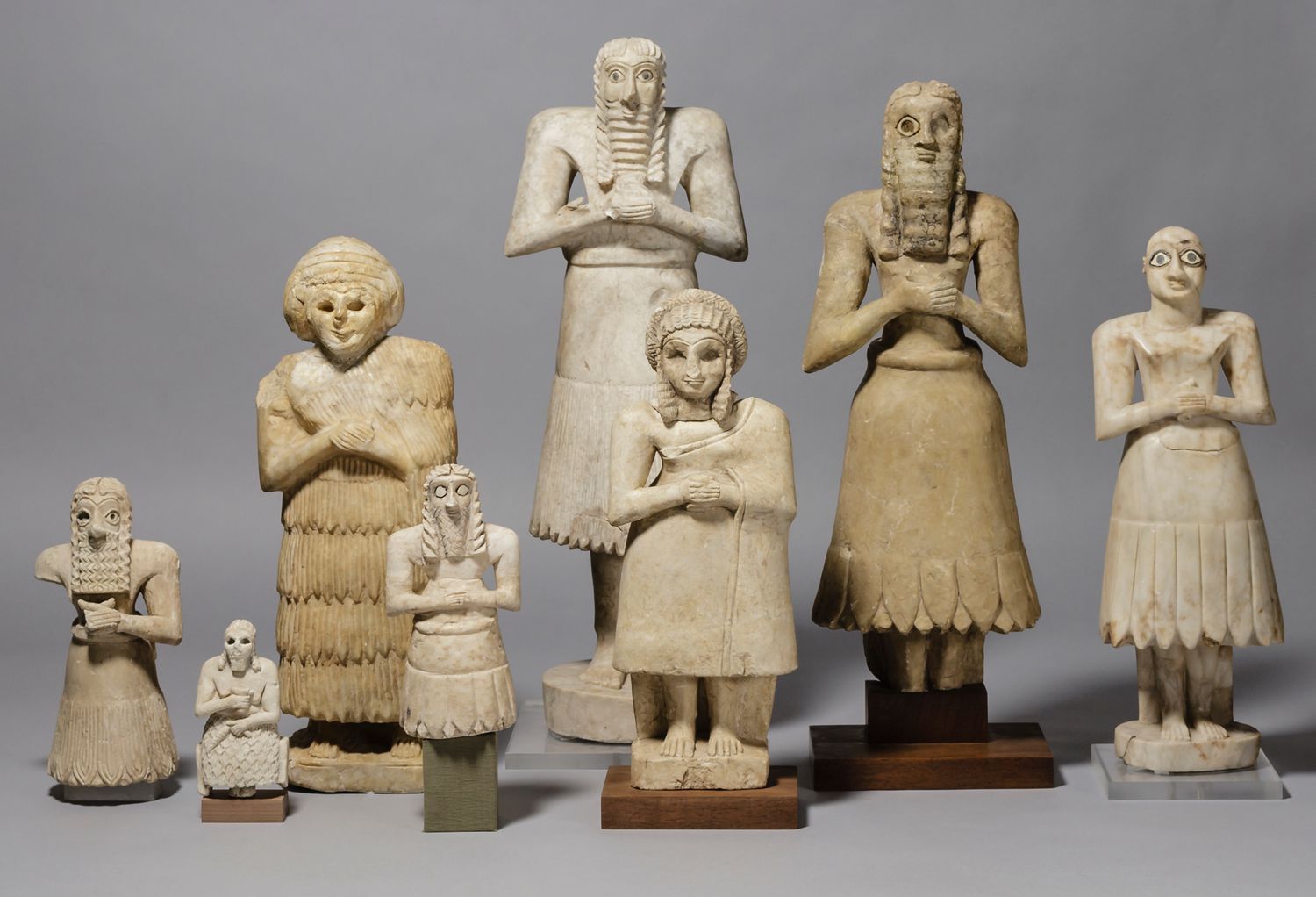
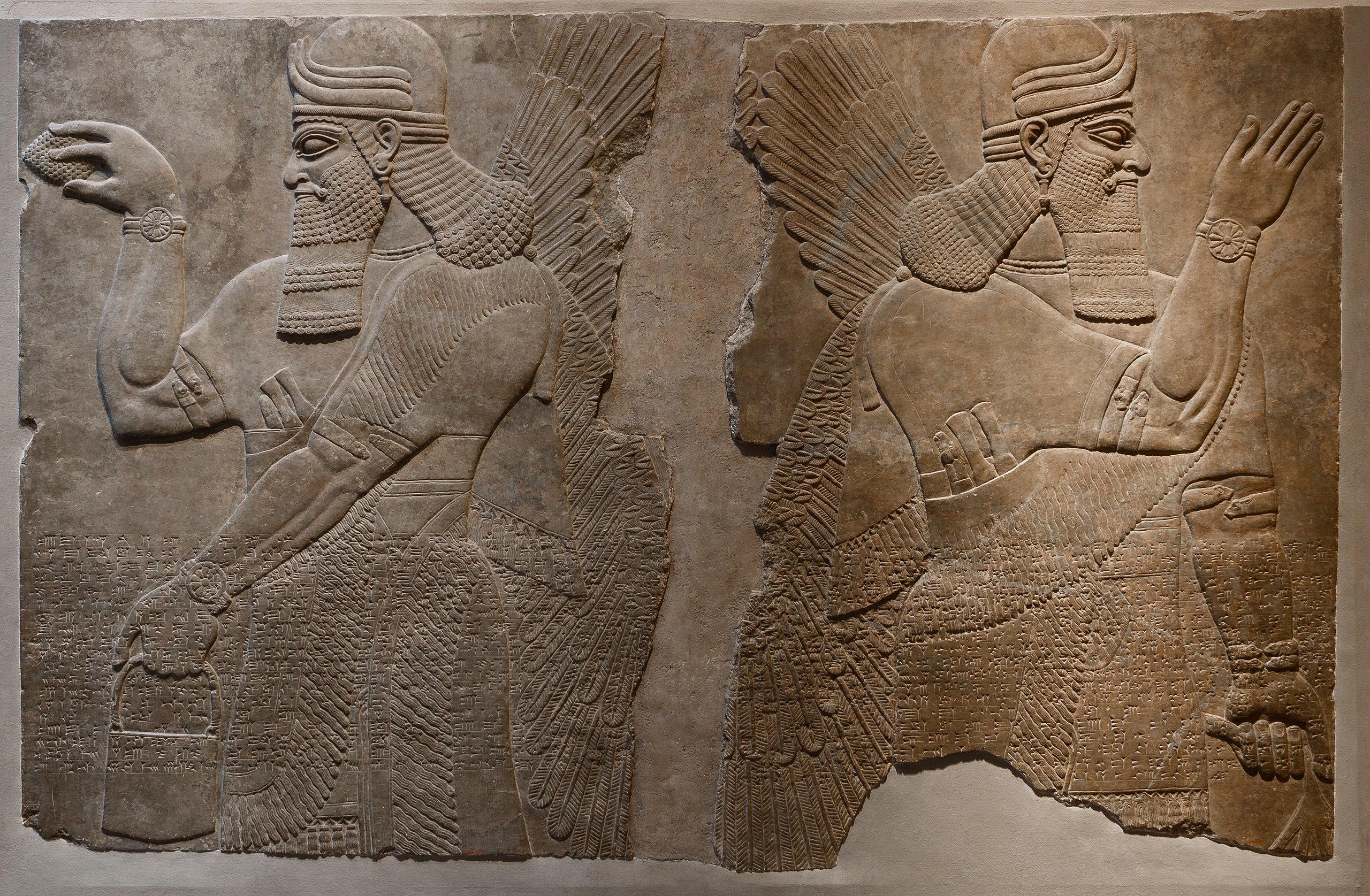
Mesopotamian / Sumerian
Temple votives and narrative registers inlaid with shell and lapis tell stories of devotion and kingship from Sumer to Assyria.
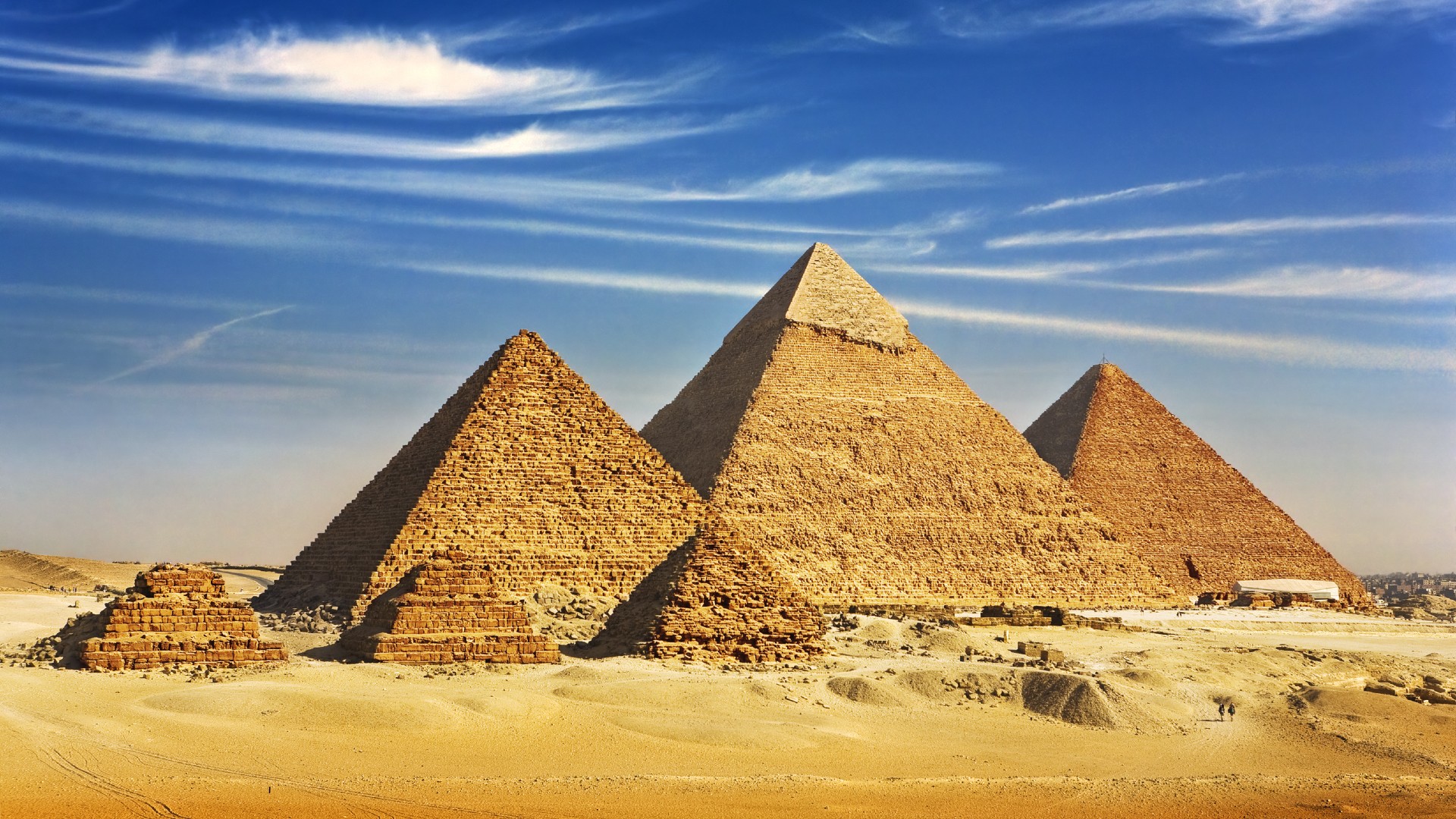
Egyptian Art
Order, eternity, and the afterlife shaped pyramids, statues, and tomb paintings from the Nile valley.
 and queen.jpg)
.jpg)
Greek Art
Archaic kouroi, Classical balance, and Hellenistic drama explore ideal form and human inquiry.
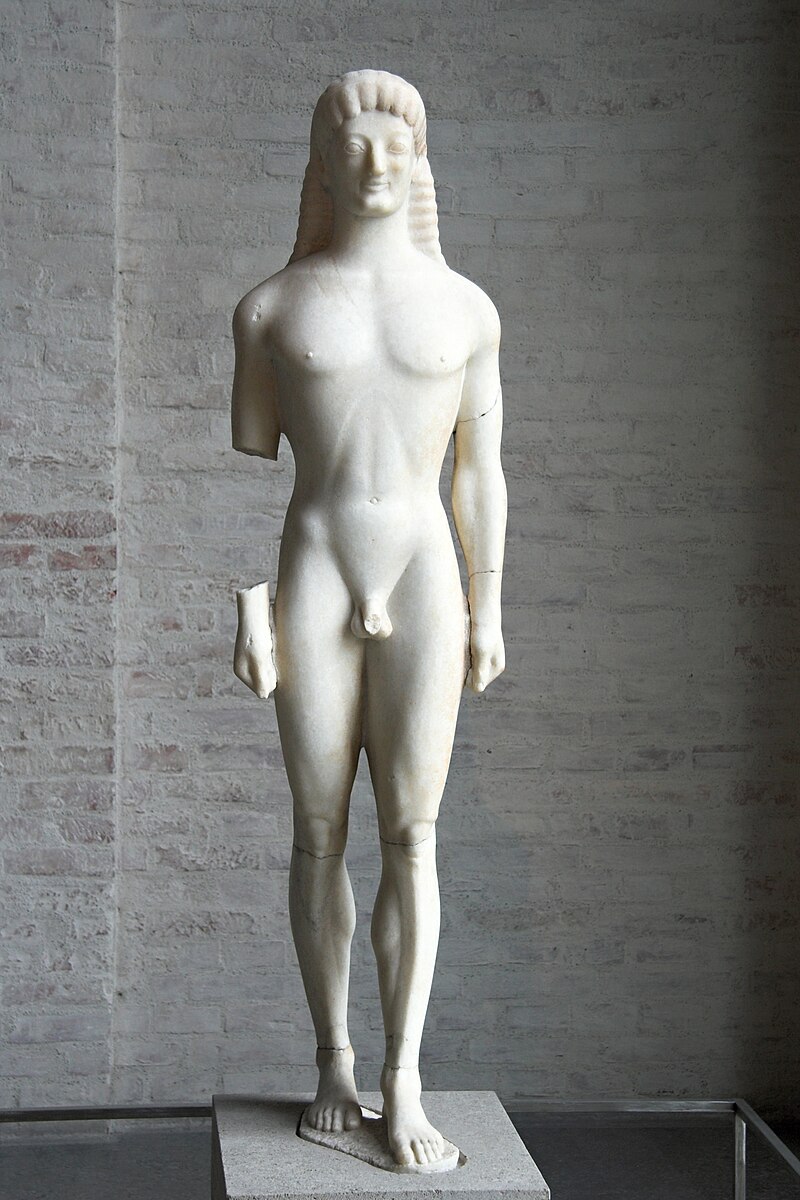
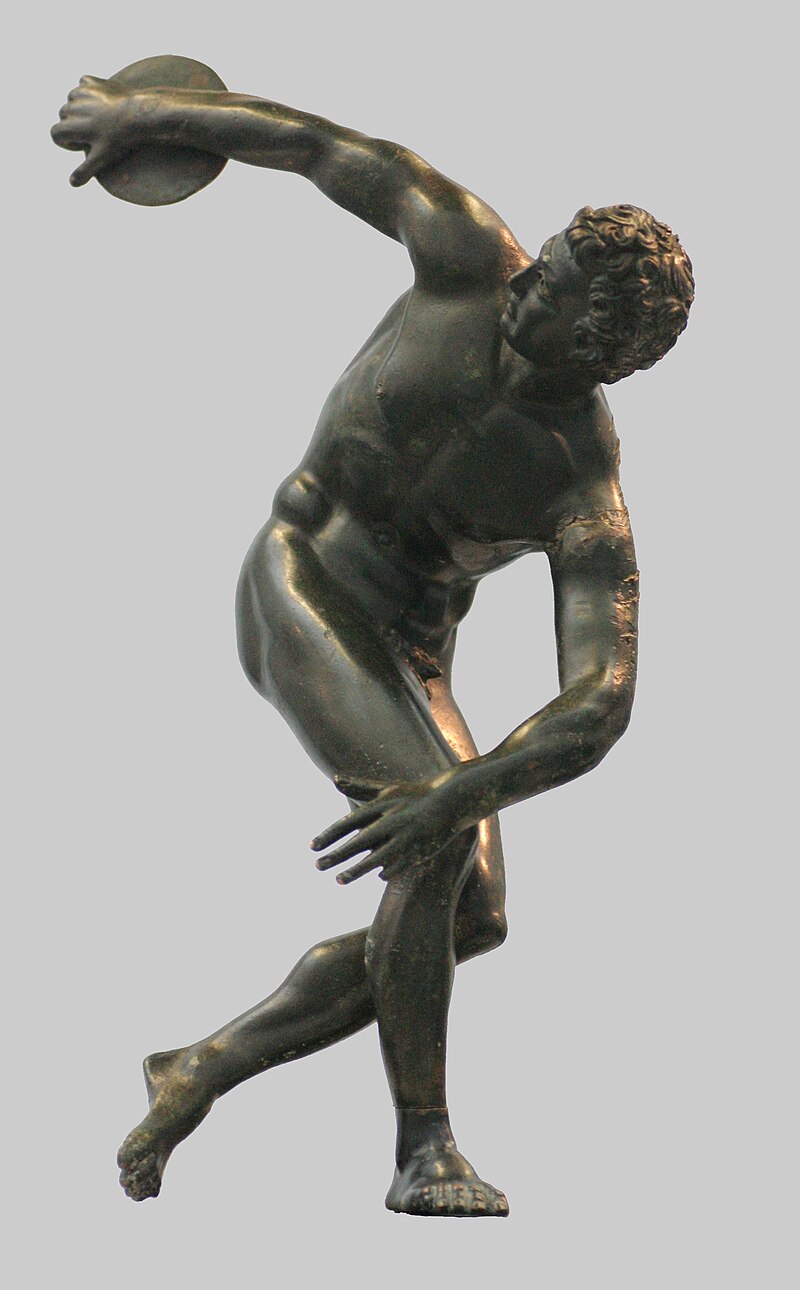
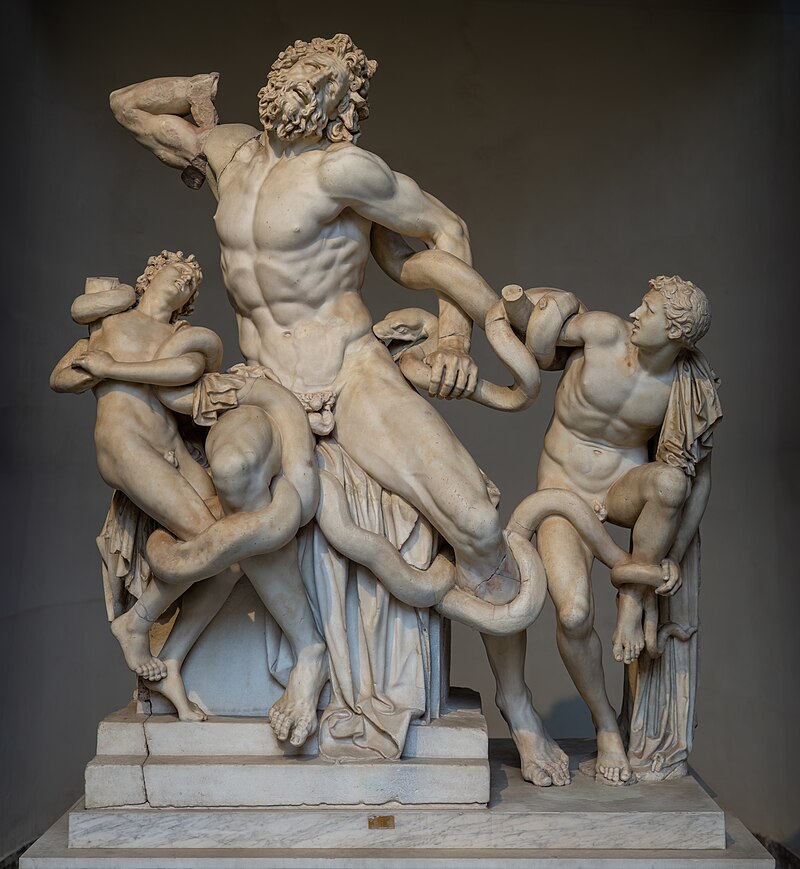
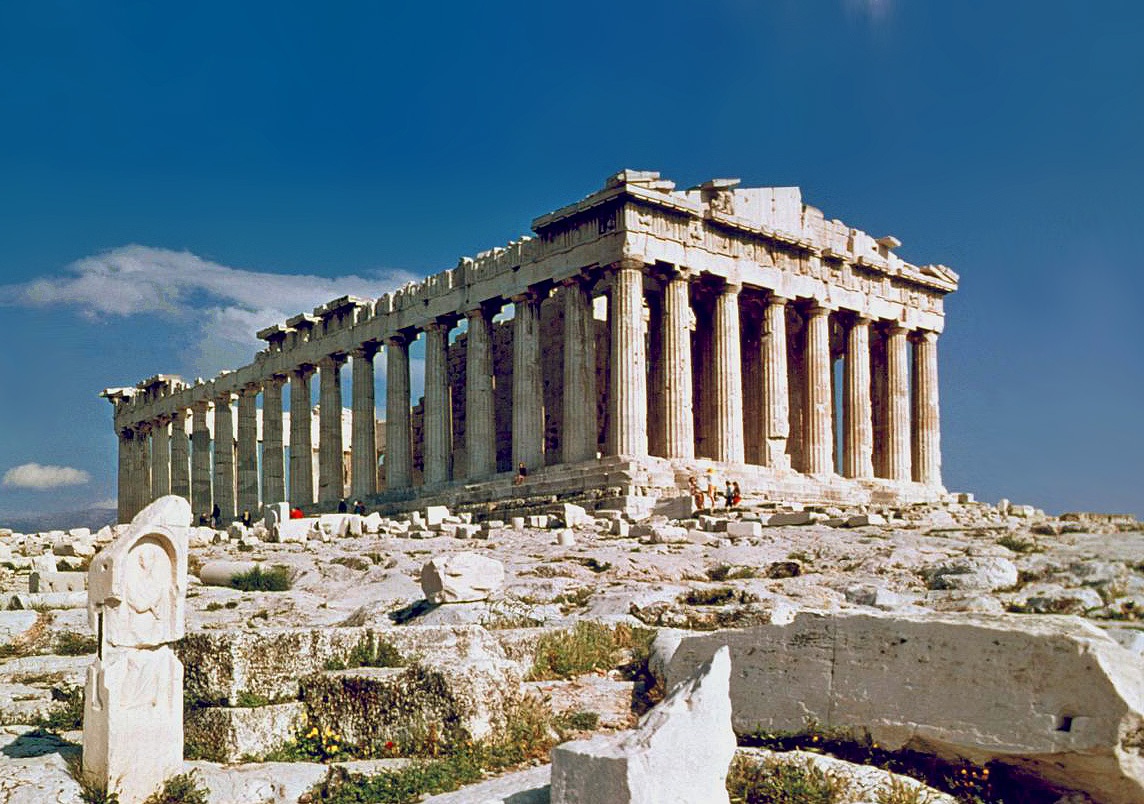
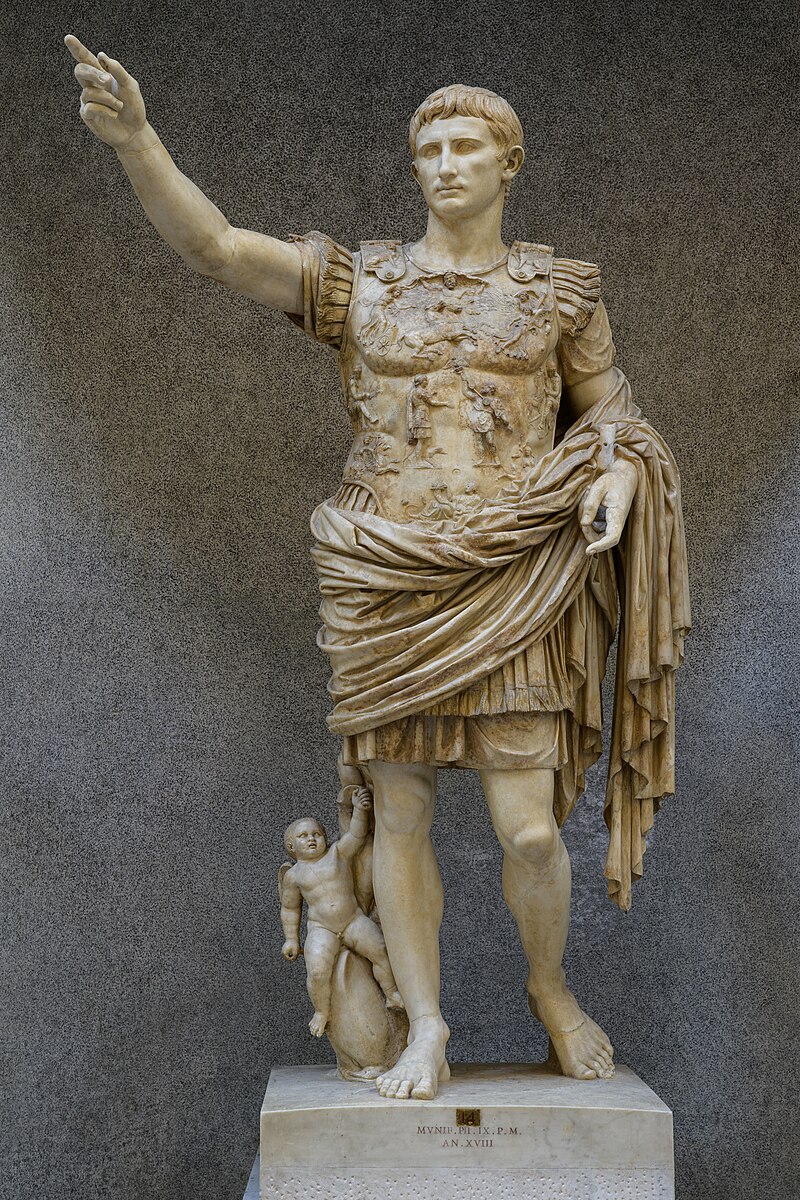
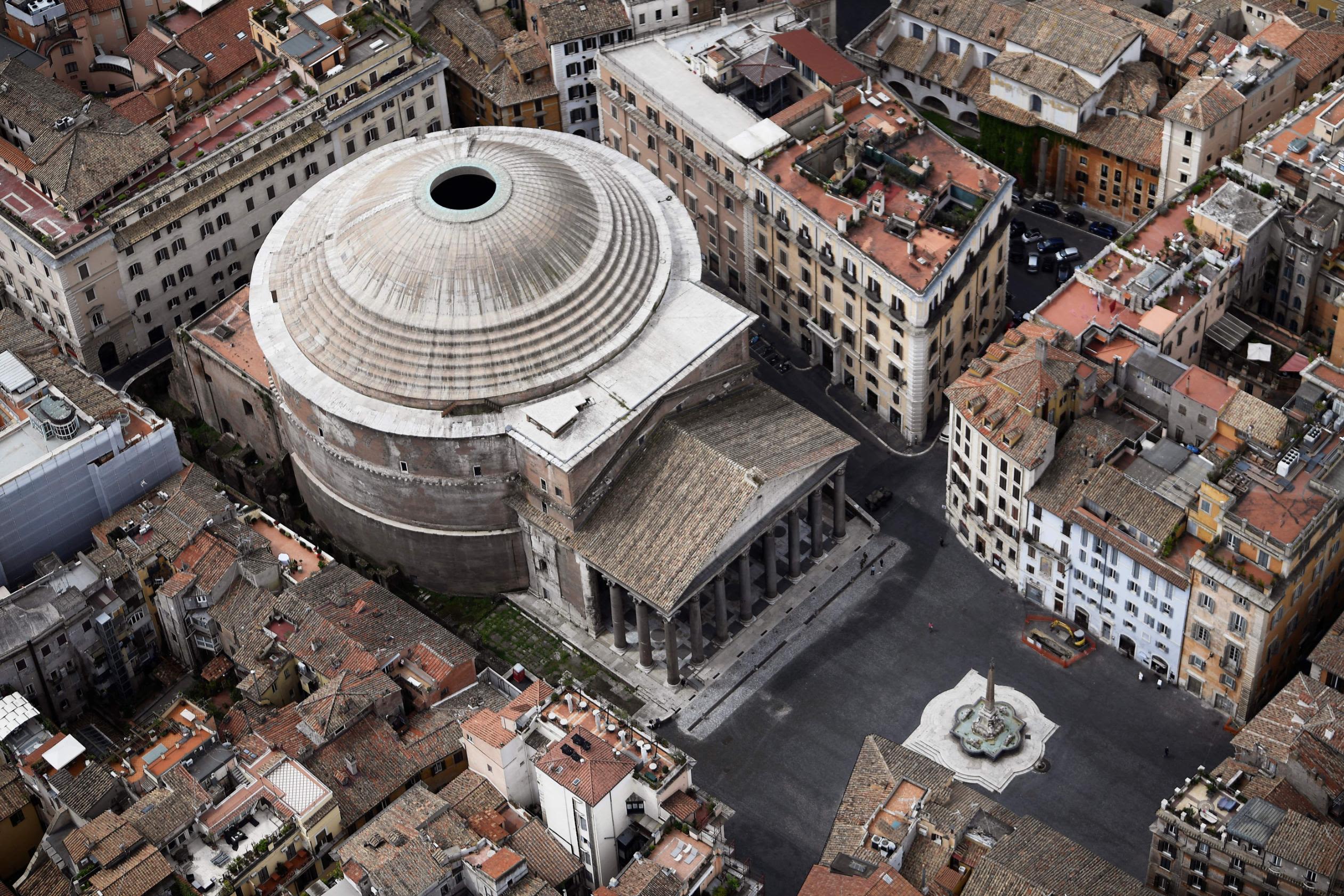
Roman Art
Portrait realism, imperial imagery, and concrete engineering scale civic life and power.
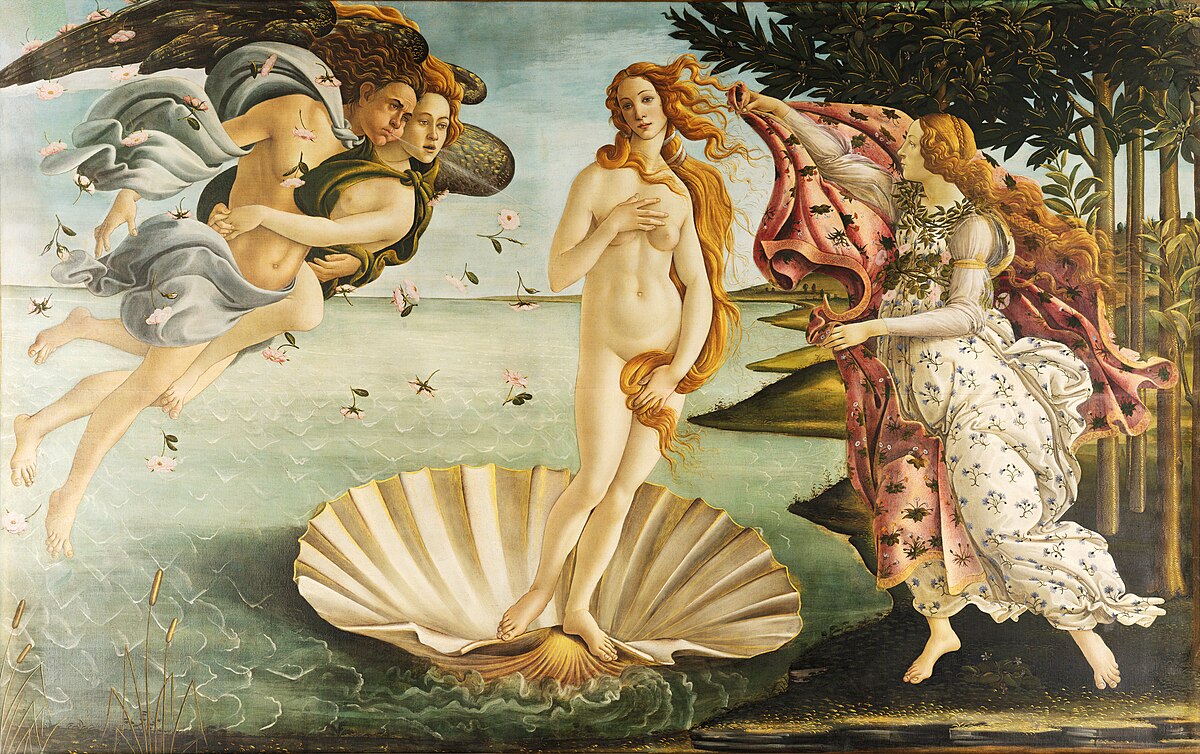
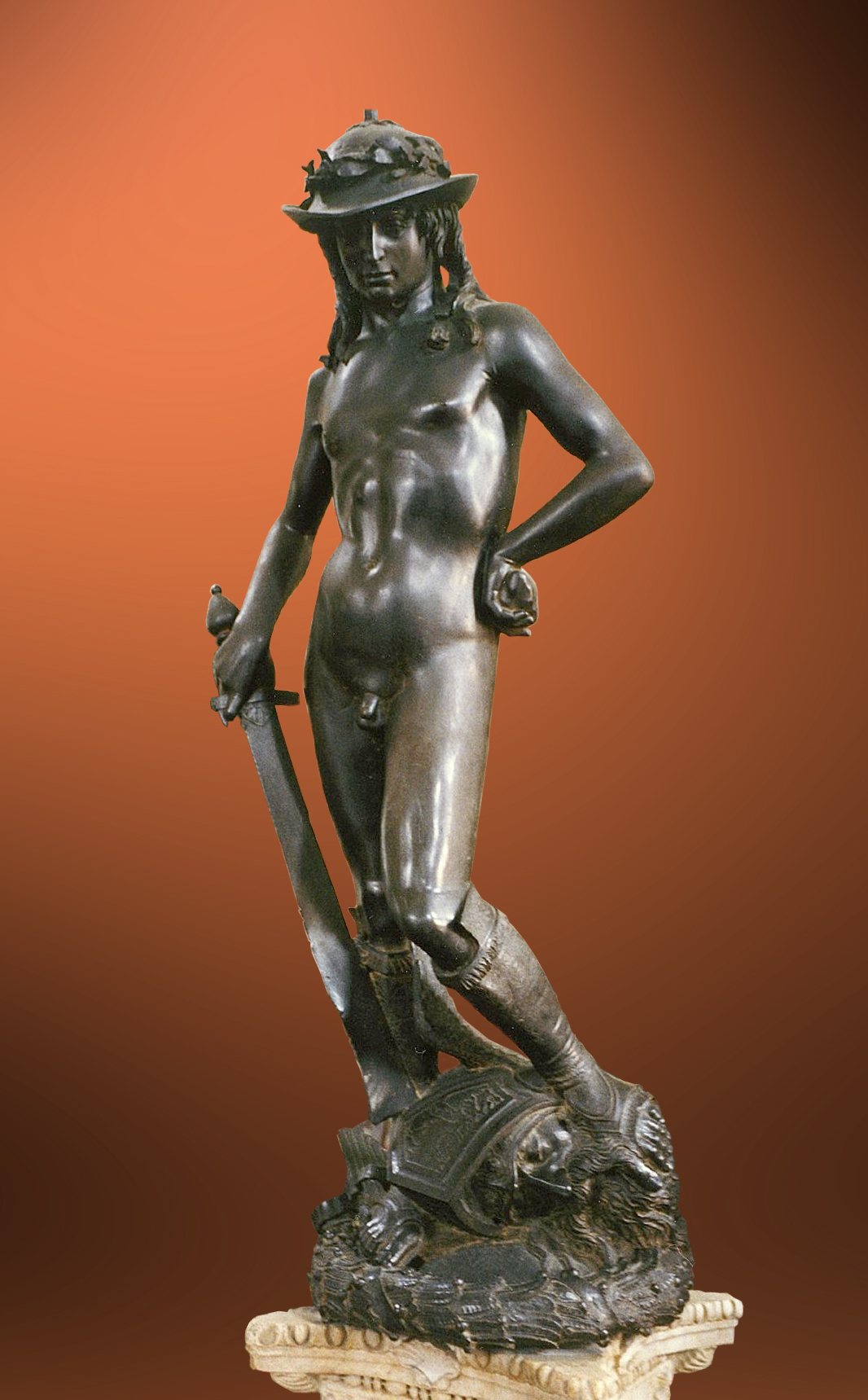
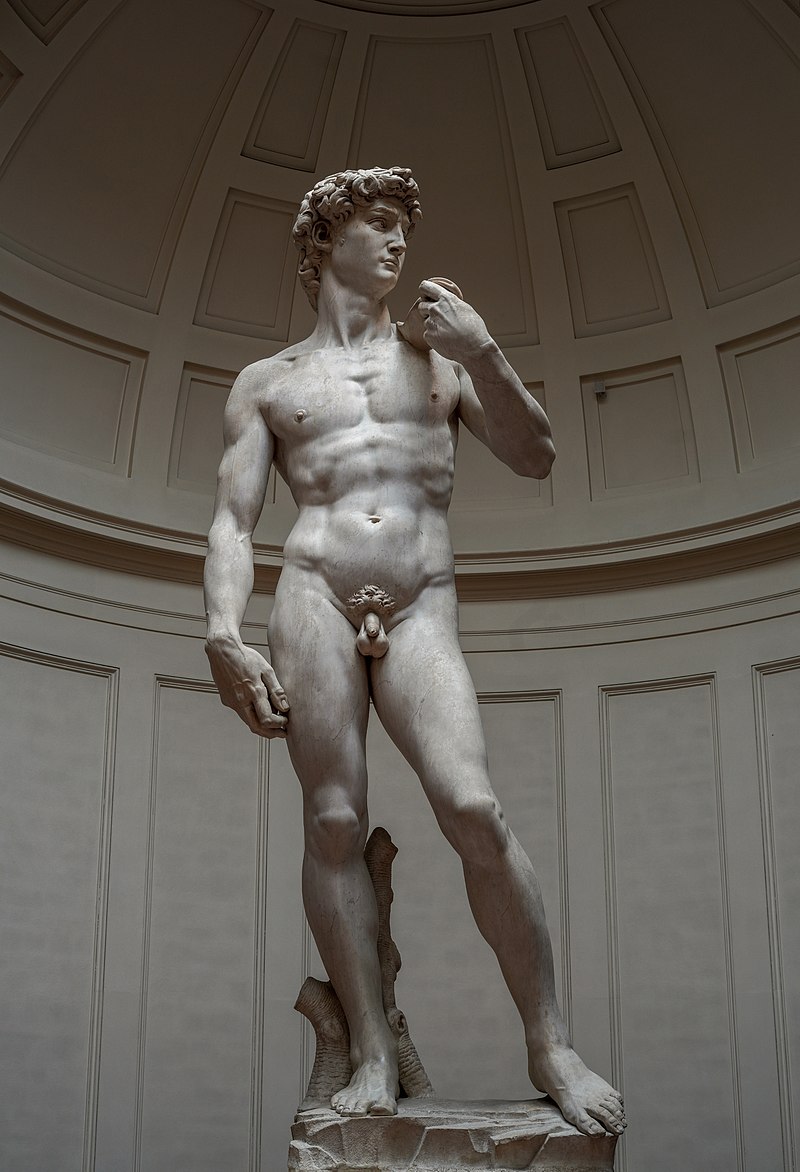
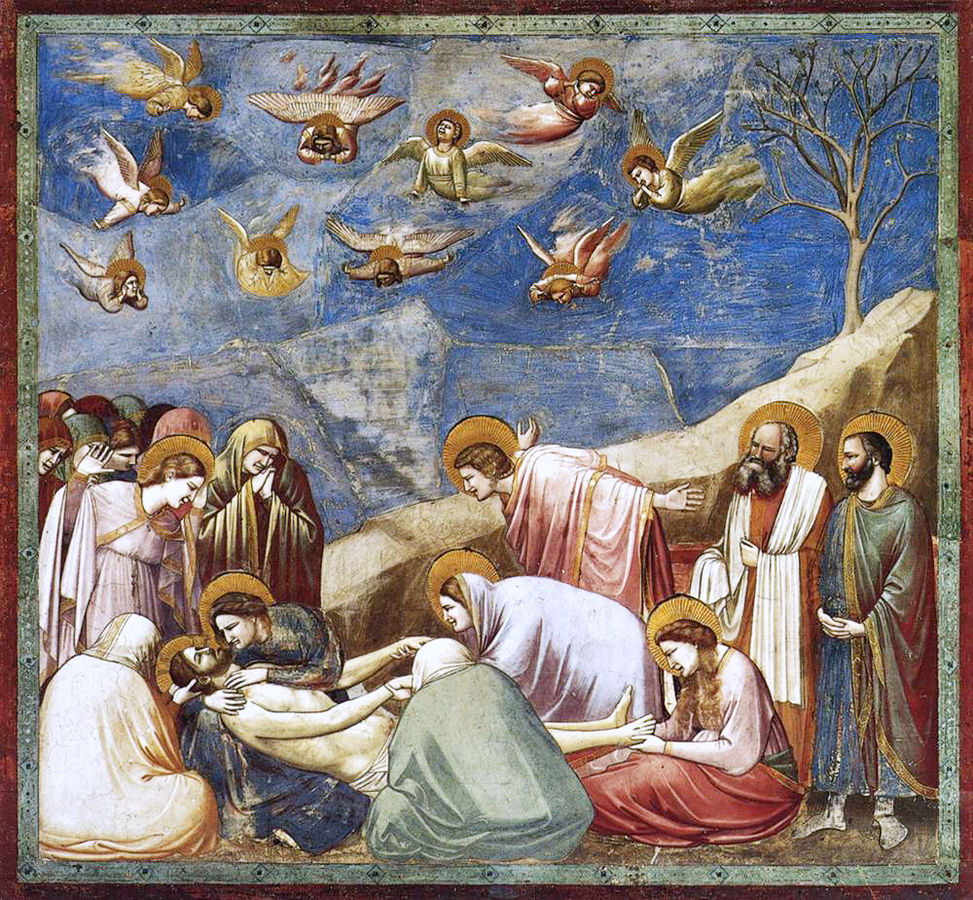
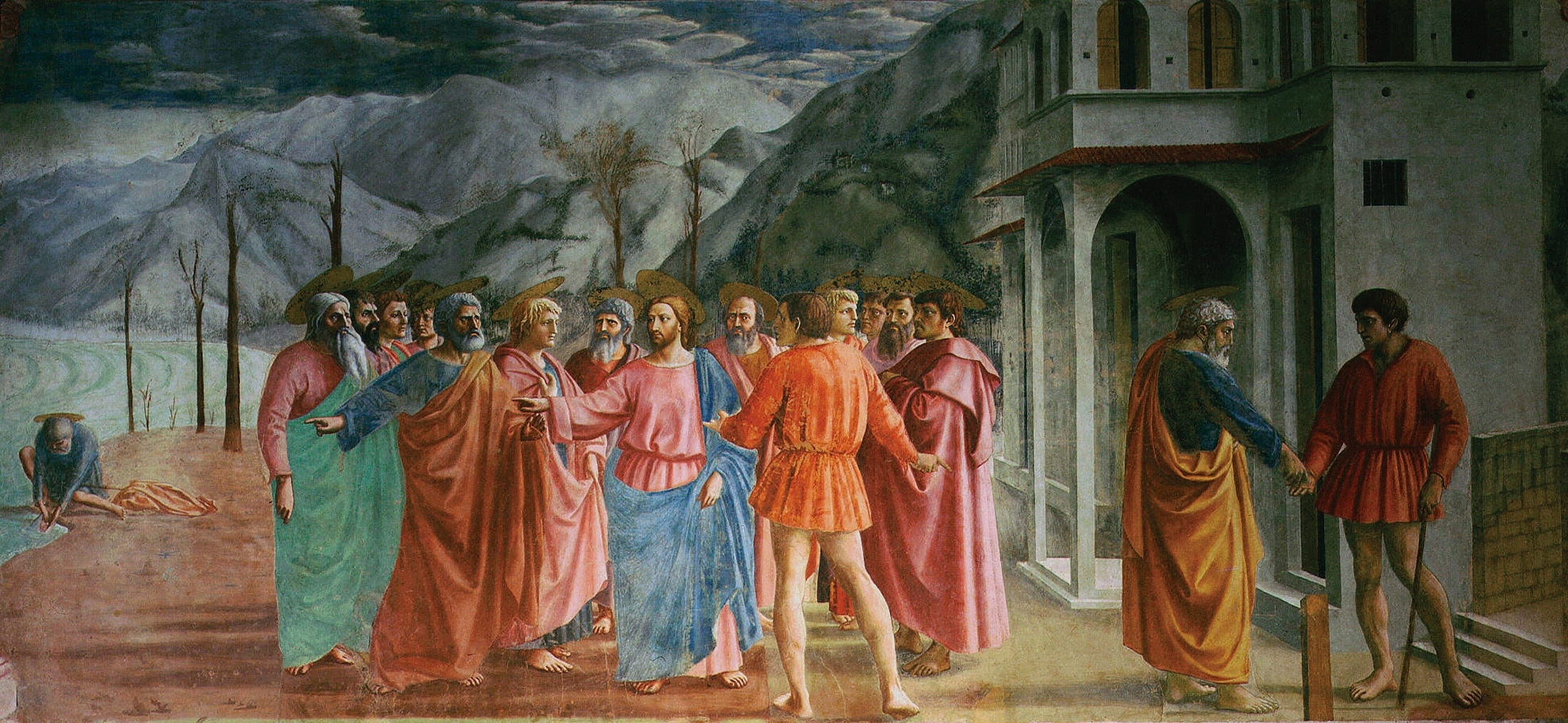
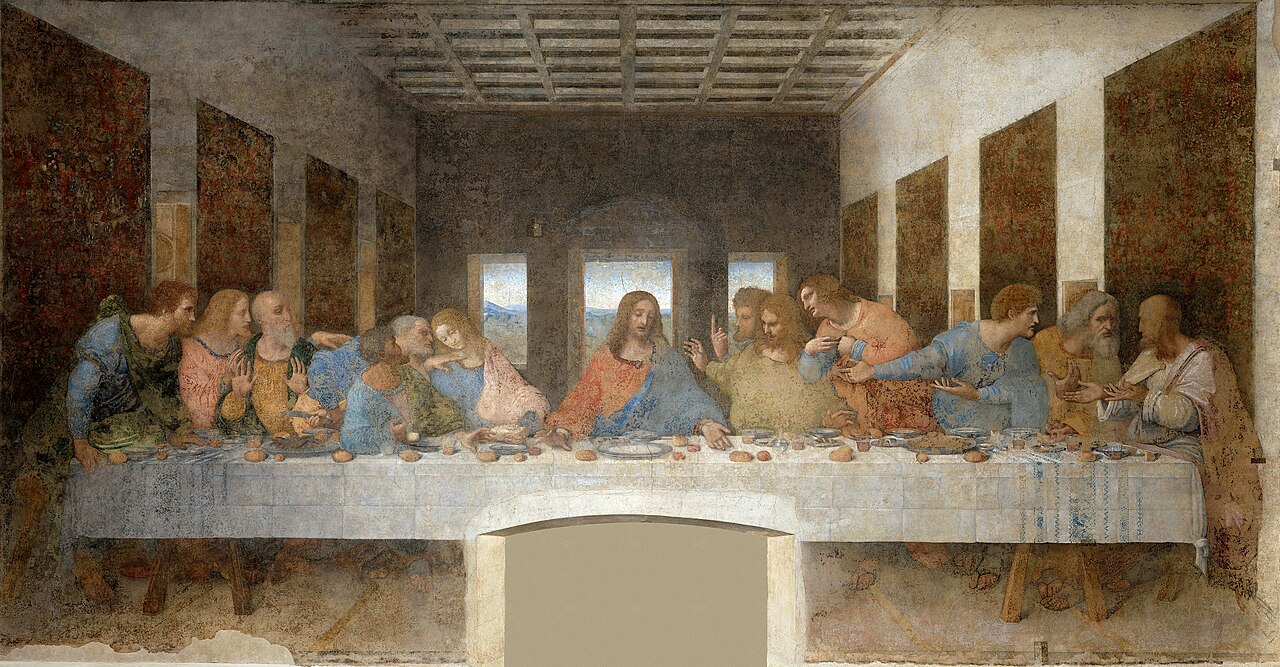
Renaissance
Humanism and revived classicism drive breakthroughs in painting, sculpture, and architecture across 14th–16th century Europe.
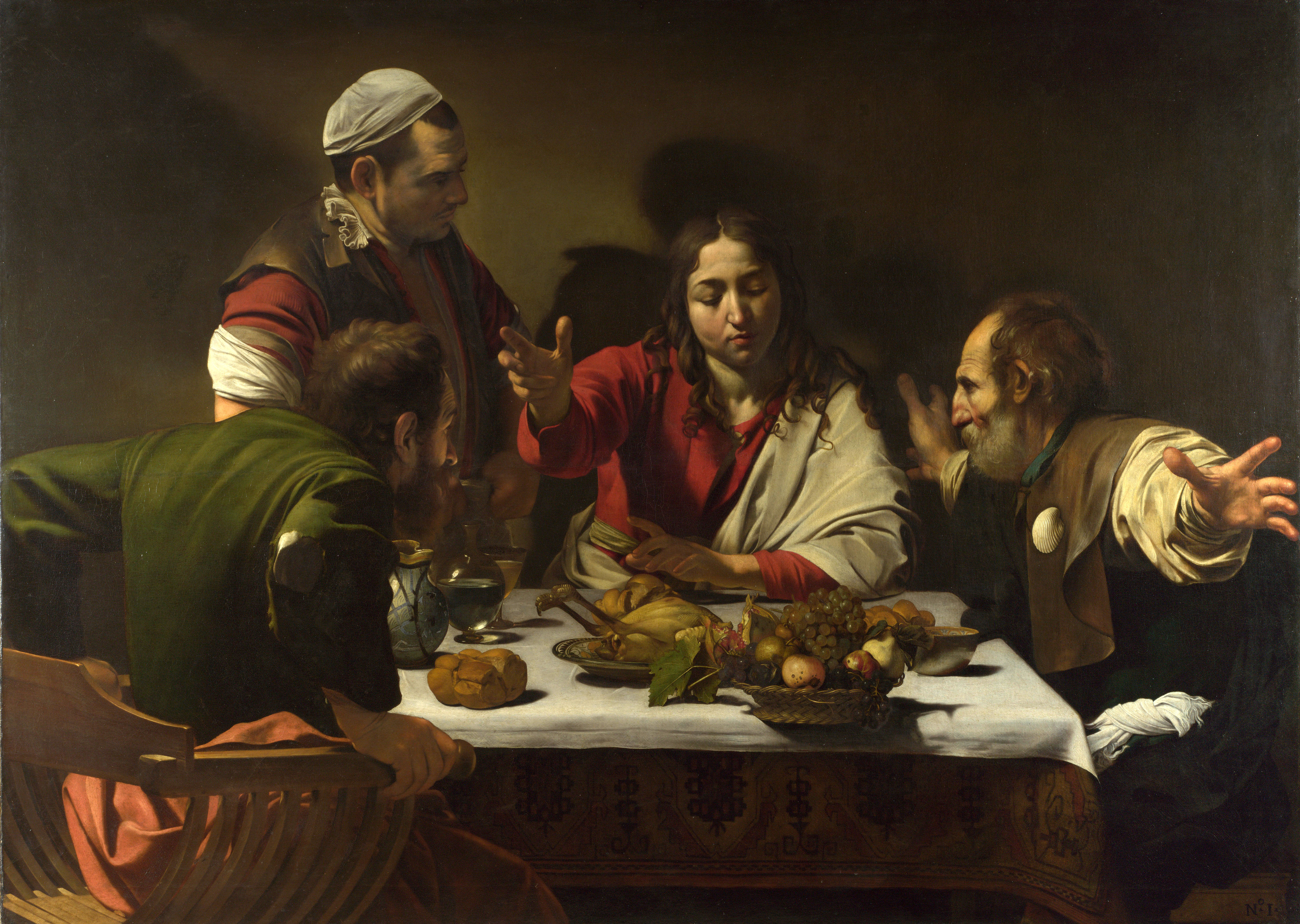
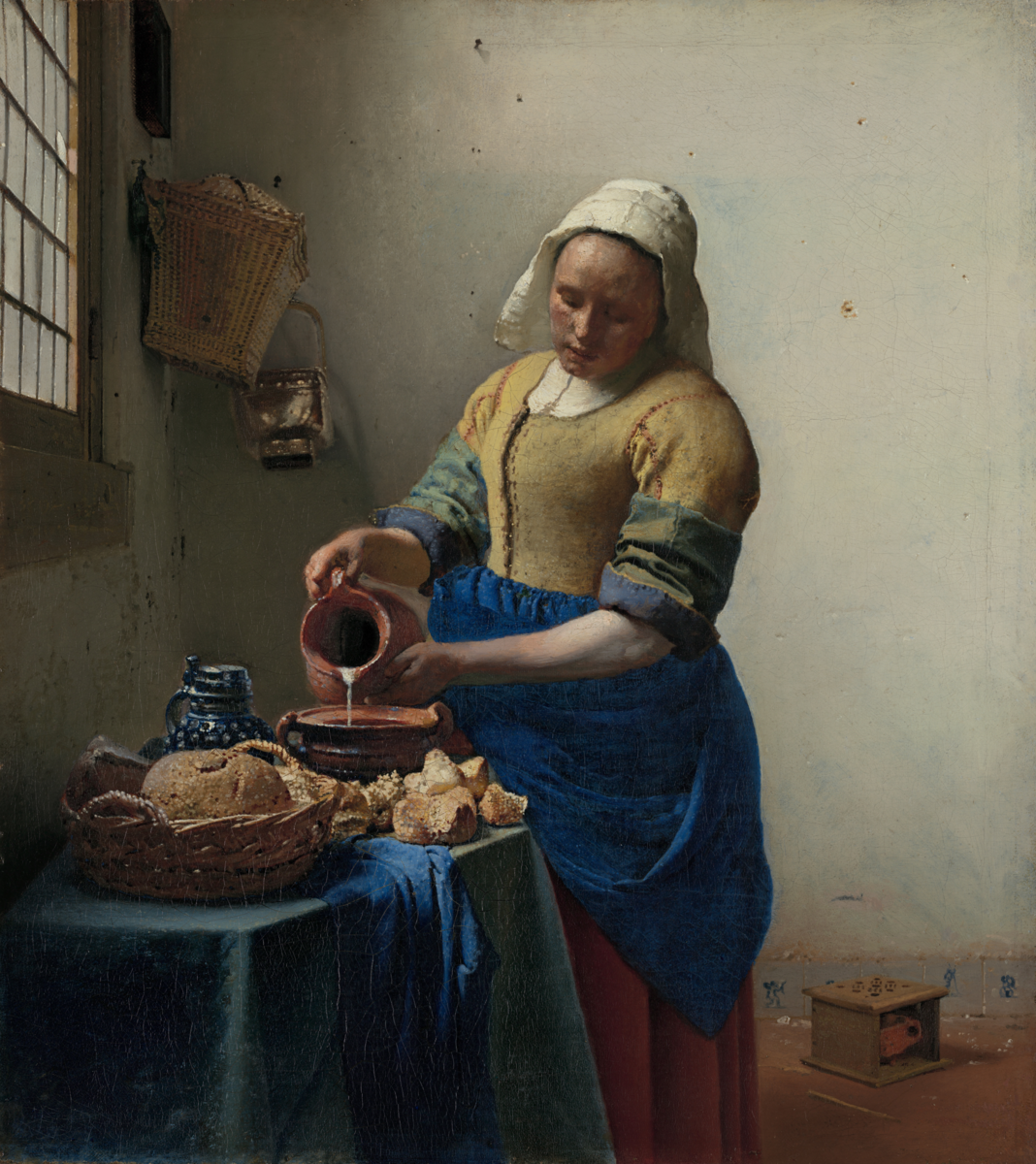
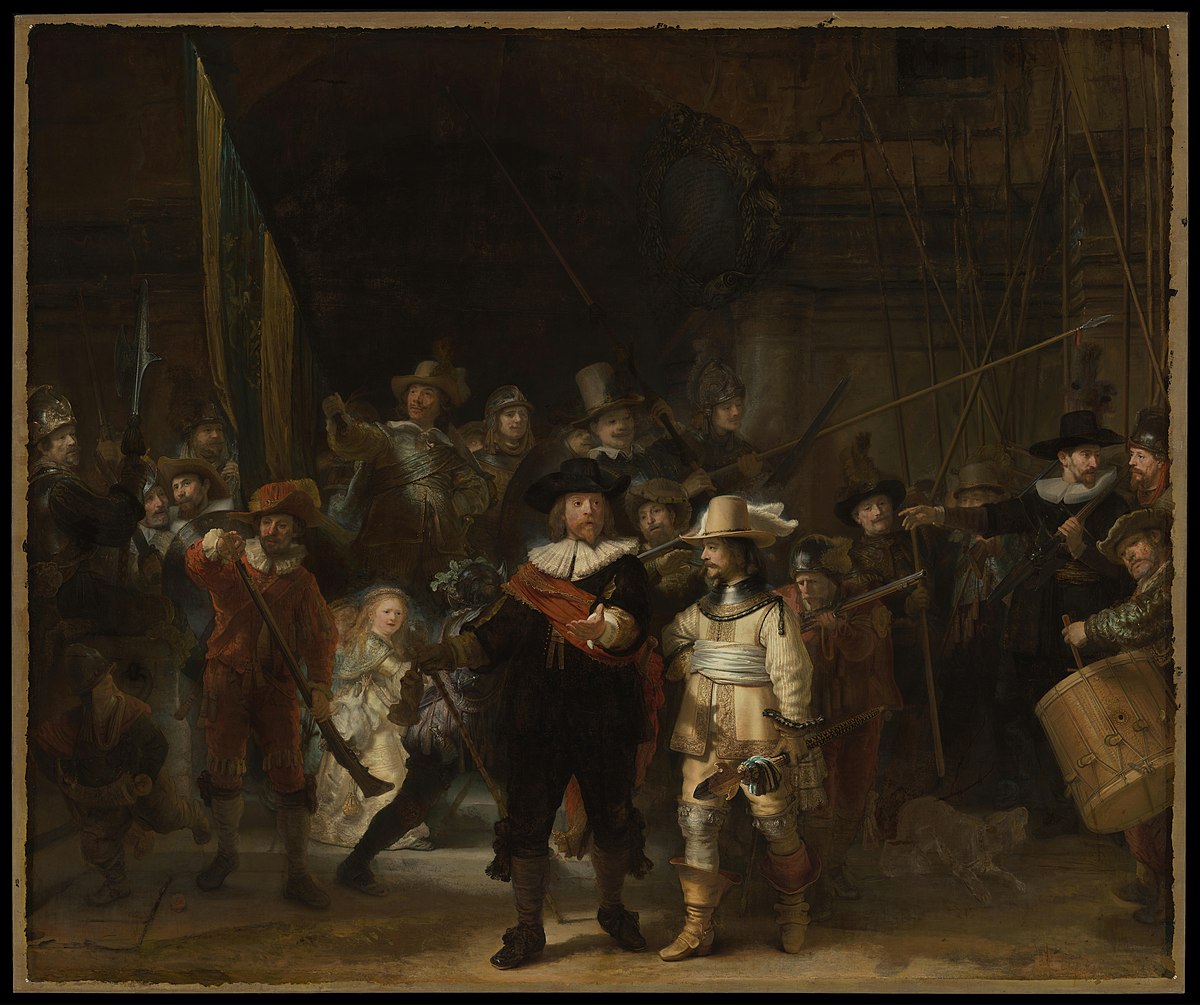
Baroque
Drama, light, and movement heighten emotion in painting and sculpture during the 17th century.
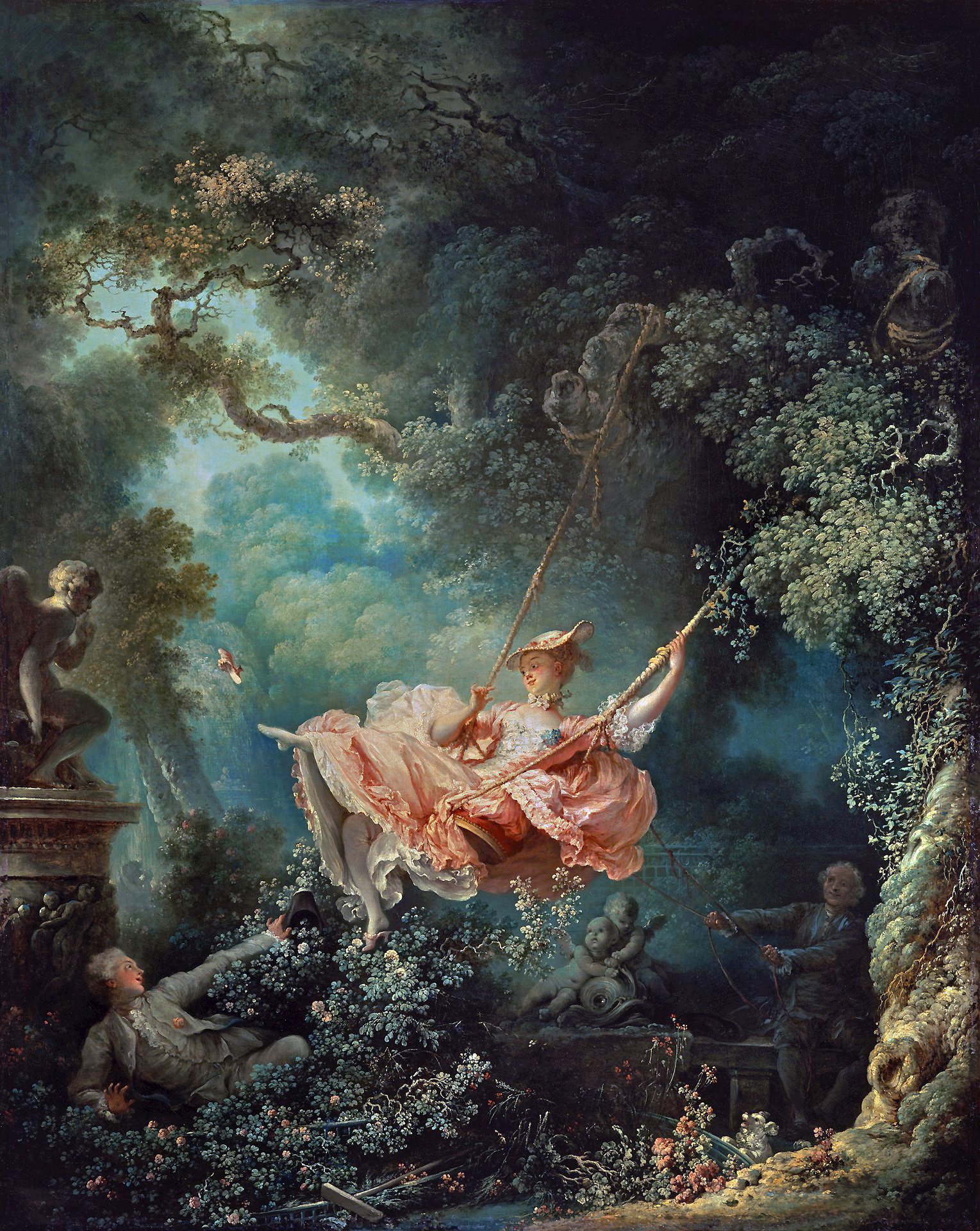
Rococo
Elegant, playful, and pastel—Rococo delights in ornamental surfaces and intimate scenes.